

The Philosophy Behind Thai Yoga Massage: Energy Lines & Balance
May 20, 2026
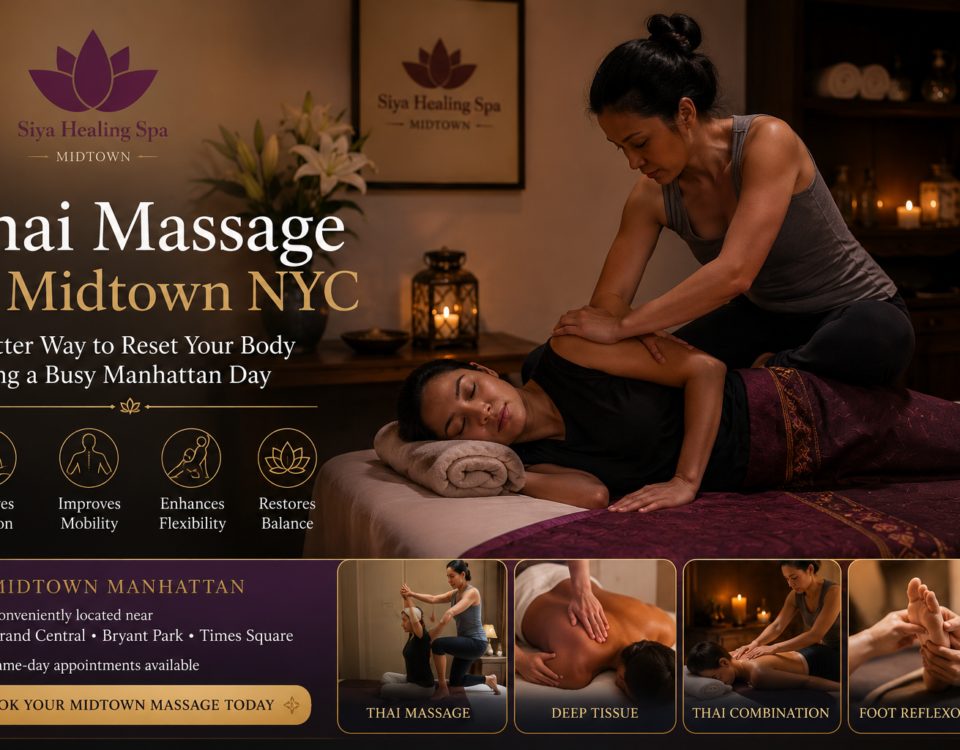
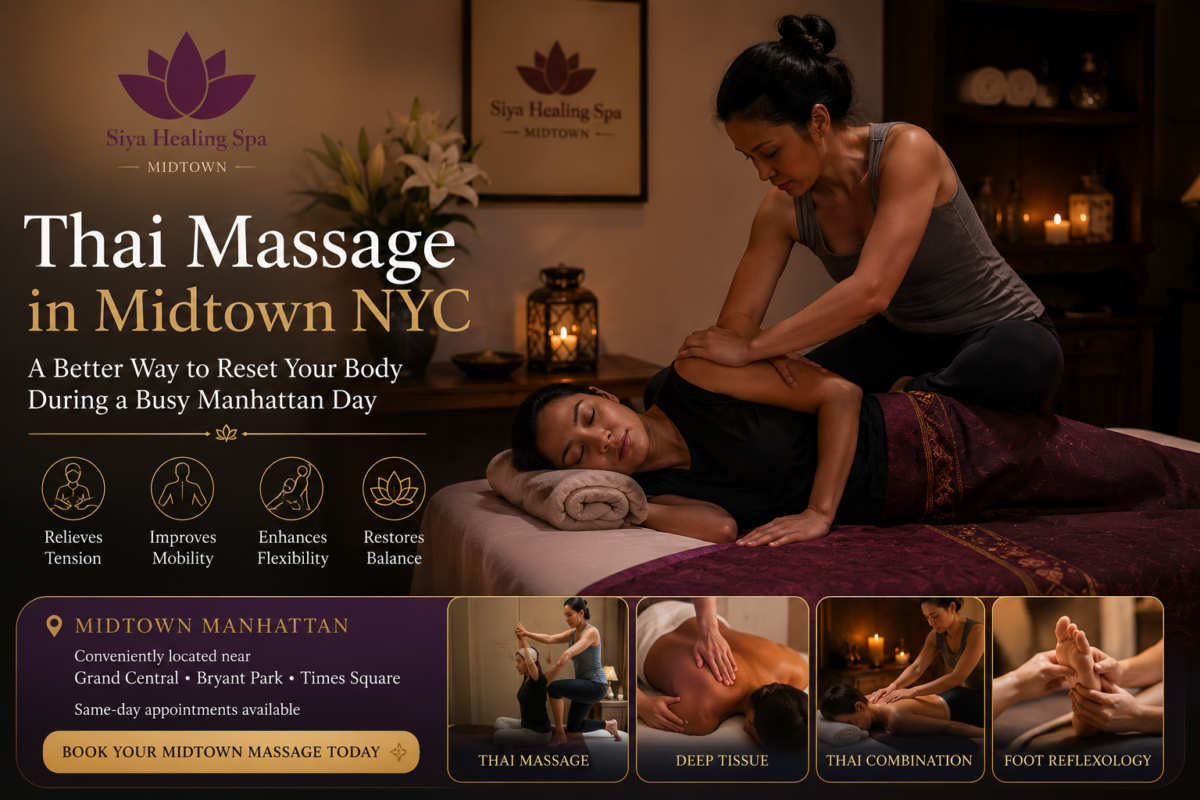
Thai Massage in Midtown NYC: A Better Way to Reset Your Body During a Busy Manhattan Day
May 29, 2026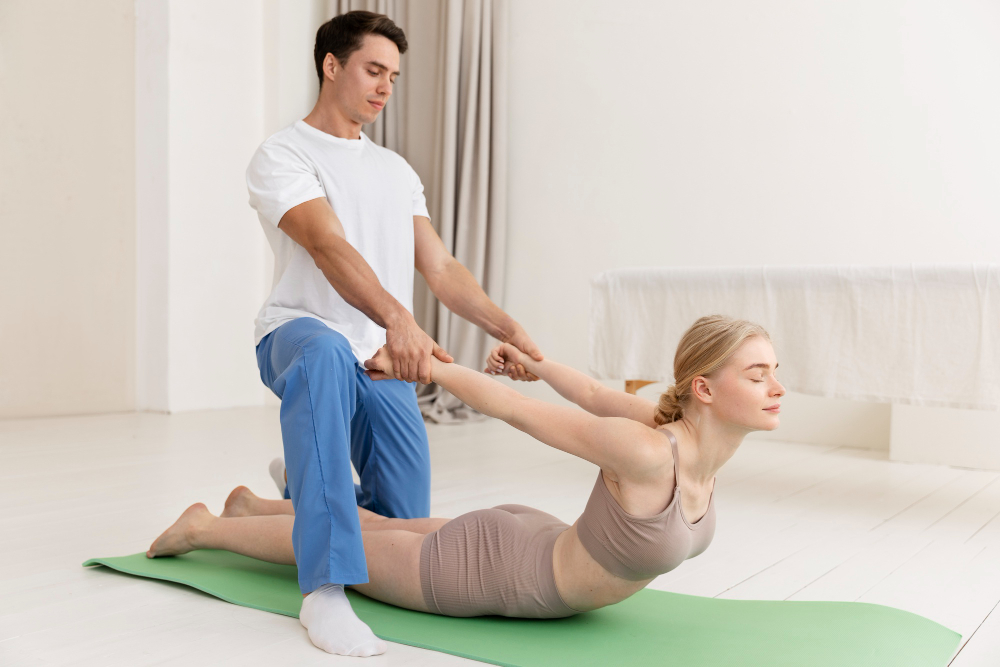
Traditional Thai massage offers more than physical relaxation; it is an important cultural, historical, and therapeutic practice of global significance. The practice established itself as an essential component of Thai culture, which spread throughout the world during its historical development. UNESCO recognized the practice as an Intangible Cultural Heritage because of its significance to human heritage.
The recognition shows that traditional Thai massage is an authentic expression of Thai cultural heritage that extends beyond mere service. The practice exists as a cultural heritage that requires preservation through intergenerational transmission.
What Is Traditional Thai Massage?
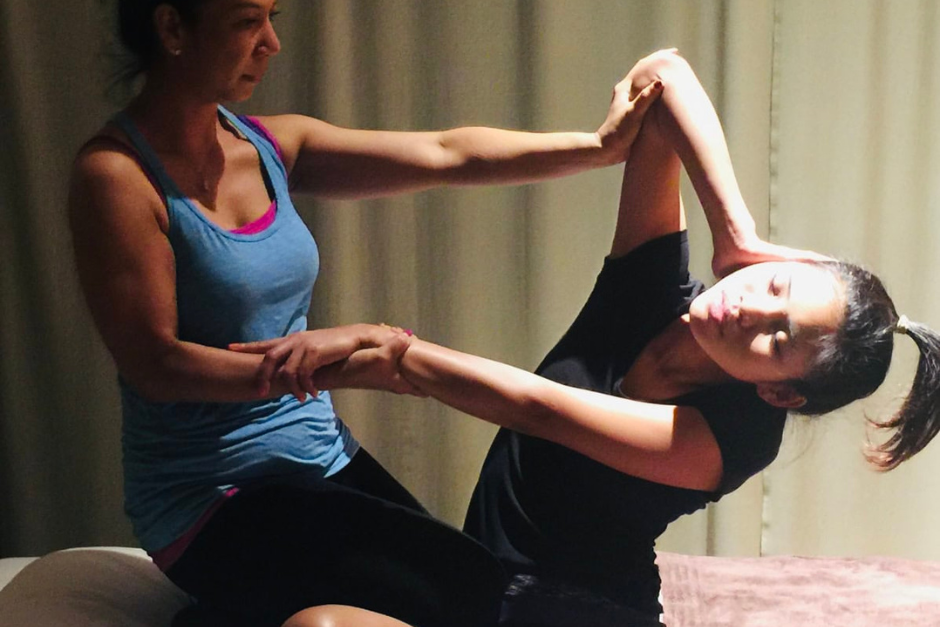
The traditional Thai massage technique known as “Nuad Thai” provides healing through its natural methods. Its practitioners use stretching techniques, along with pressure application and body movements, to perform their work.
In this method:
- The therapist uses hands, elbows, knees, and feet.
- The body undergoes multiple stretching exercises that use different body positions.
- The practitioner applies pressure to the body’s energy pathways through which vital energy flows.
This practice helps improve blood circulation throughout the body while reducing pain and promoting muscle relaxation. The system aims to achieve energy equilibrium throughout the entire body. UNESCO recognizes this technique as an element of traditional Thai massage practices.
Why did UNESCO grant recognition to Thai massage? What were the reasons?
The United Nations Educational, Scientific, and Cultural Organization, UNESCO, added traditional Thai massage to its Intangible Cultural Heritage list in 2019. This event occurred during an international conference held in Colombia.
- Deep Cultural Value
Thai massage serves as a complete demonstration of Thai cultural heritage and traditional practices. The treatment extends beyond its medical function, serving as an essential component of everyday existence and communal health maintenance. In the past, every village had massage healers who provided services to treat people with body pain.
- Knowledge Passed Through Generations
The practice has existed since teachers first transmitted it to their students. Learning happens through multiple sources, including books, practical experience, and direct observation. UNESCO protects this knowledge because it represents one of the primary methods through which knowledge is transmitted.
- Connection with Traditional Medicine
The traditional Thai massage system is an integral part of a comprehensive healing system. The practice combines natural medicine with herbal remedies and energy systems that govern human body functions. The system establishes connections between Buddhist practice and native cultural traditions. The system functions as an all-encompassing treatment approach that extends beyond physical rehabilitation.
More Than Just a Massage
Many people believe that Thai massage exists solely for relaxation purposes. The practice provides multiple advantages beyond its common use.
- Physical Health Assessment
The treatment provides three benefits: reduced muscle pain, improved flexibility, and increased blood circulation. The treatment also provides relief for people experiencing stiffness and joint pain.
- Energy Flow Restoration
Thai massage works on energy lines in the body. These energy lines serve as pathways that transmit vital life force energy. When these lines are blocked, it can cause discomfort. The massage treatment functions to open these energy blockages.
- Body-Mind Connection
The practice includes essential mental relaxation techniques. The practice provides two benefits: stress reduction and a better quality of life.
Why This Recognition Matters
With this distinction as UNESCO cultural heritage, true traditional Thai massage is important for the world as a whole, not just for Thailand.
- Protects the Tradition
The method protects original methods and keeps traditional practices from being forgotten over time.
- Encourages Learning
The number of people interested in learning this technique has increased. Training centers and schools are helping spread this knowledge.
- Promotes Global Awareness
The recognition has helped more people understand the true value of traditional Thai massage techniques. The recognition has also created greater interest in wellness and natural healing practices.
The Growing Popularity Worldwide
People practice traditional Thai massage in many countries around the world today. The practice has become popular in spas, wellness centers, and therapy clinics.
People are choosing it because:
- The method uses natural elements, which provide safe results.
- The system helps people achieve physical and mental health improvements.
- The system helps people maintain their health throughout their lives.
The worldwide interest in this tradition demonstrates its cultural value and practical benefits.
Conclusion
Traditional Thai massage functions as more than a basic treatment. The practice combines three elements: cultural heritage, healing methods, and educational knowledge. UNESCO recognized the practice because it holds significant cultural value.
This honor enables the preservation of the practice while allowing the tradition to be distributed worldwide.
People who want to treat their bodies through natural methods should choose authentic traditional Thai massage as an effective and reliable treatment option.
Ready to Relax with Traditional Thai Massage in NYC?
Visit Siya Healing Spa for expert care and authentic therapy. Contact us today to book your personalized session.