
Massage Near Me in Manhattan: How to Choose the Right NYC Location and Service
July 28, 2026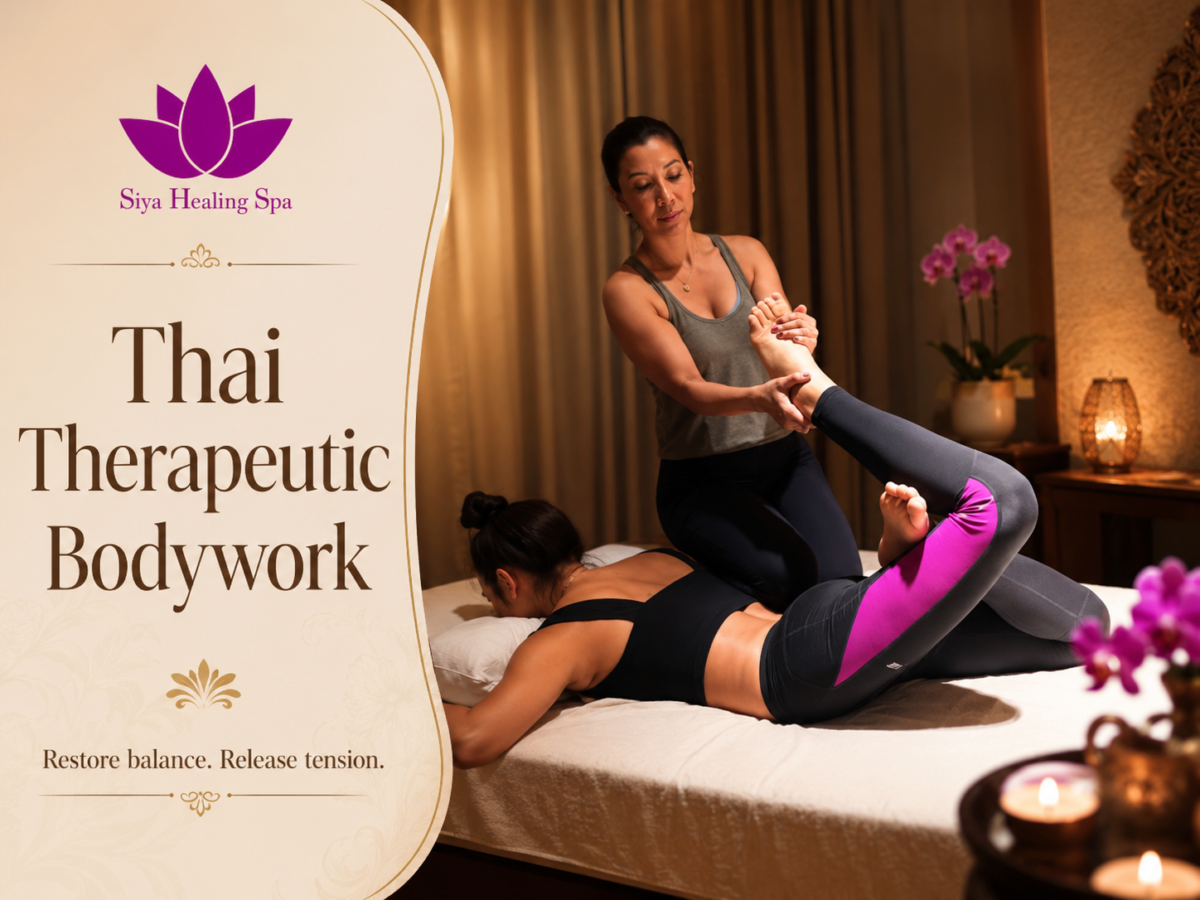
therapeutic-style massage vs relaxation massage When New Yorkers search for a massage, they often begin with a feeling rather than a technique. One person wants a quiet pause after an overloaded week. Another wants the practitioner to spend more time on the shoulders, back, or legs. Someone else simply knows that the body feels tense but is unsure whether to choose a relaxing session, firm pressure, Thai-inspired bodywork, or a more focused therapeutic-style massage.
The names can be confusing because massage terminology is not always used consistently from one studio to another. “Relaxation massage” usually describes a calmer, more flowing experience. “Therapeutic-style massage” generally means a session organized around specific areas of everyday muscular tension or movement preferences. However, therapeutic-style spa bodywork is not the same as medical diagnosis, physical therapy, or treatment for an injury.
This guide explains the practical differences so you can communicate clearly and book with realistic expectations. It also helps you choose among Siya Healing Spa’s three Manhattan locations: Midtown NYC, Downtown near FiDi and Wall Street, and Uptown Manhattan.
Quick Answer: What Is the Main Difference?
A relaxation massage usually emphasizes an even pace, comfortable pressure, broad full-body attention, and a quiet overall experience. A therapeutic-style massage usually gives more time and attention to selected areas of tension, with pressure and techniques adjusted according to the guest’s preferences and comfort.
Neither option should be automatically described as better. The right choice depends on what you want from the session:
- Choose relaxation-focused massage when your priority is a calm, balanced pause.
- Choose therapeutic-style massage when you want focused attention on particular muscle groups or areas of everyday tension.
- Ask about a blended approach when you want both a relaxing rhythm and extra time on selected areas.
- Seek an appropriate healthcare professional when you have a recent injury, severe or unexplained pain, neurological symptoms, fever, swelling, or another medical concern.
The most useful booking note is not simply “deep pressure” or “relaxing.” Tell the spa where you would like attention, what pressure you generally prefer, and whether you want a focused or full-body experience.
What Is Relaxation Massage?
Relaxation massage is designed around comfort, rhythm, and an unhurried sense of rest. The practitioner may use broad, flowing movements and moderate pressure across several areas rather than spending most of the appointment on one muscle group.
Guests often choose this style when they want to:
- Step away from a demanding schedule
- Enjoy a calm break between work or travel activities
- Experience balanced attention across the body
- Avoid highly concentrated or very firm work
- Establish a regular wellness routine centered on relaxation
A relaxation-focused session can still be customized. You may request lighter or firmer pressure, identify an area you do not want touched, or ask for a little more time on the shoulders or feet. The distinction is mainly the overall intention: the session is organized around a comfortable, restorative experience rather than intensive focus on a specific area.
For office workers, commuters, and visitors near Bryant Park, Grand Central, Times Square, or Herald Square, massage in Midtown NYC can fit naturally into a workday or travel schedule. A guest near Wall Street may prefer the convenience of massage in Downtown FiDi, while Upper Manhattan residents may find it easier to maintain a consistent routine at the Uptown location.
What Does “Therapeutic-Style Massage” Mean?
Therapeutic-style massage is a practical description for bodywork that is more goal-oriented and focused than a general relaxation session. Before the appointment begins, the guest and practitioner may identify one or more priority areas, such as the upper back, shoulders, hips, legs, or feet. The practitioner then allocates time and adjusts the pace, pressure, and technique within the scope of professional massage.
Depending on the service booked, the experience may include:
- Focused compression
- Sustained or gradually applied pressure
- Work along common areas of muscular tension
- Thai-inspired techniques or assisted movement
- A combination of broad relaxation work and targeted attention
- Ongoing pressure checks during the session
The word “therapeutic” must be understood carefully. In a spa context, it should not imply that the practitioner is diagnosing a condition, curing pain, repairing an injury, or replacing licensed medical care. At Siya Healing Spa, safer and more accurate language includes attention to everyday muscle tension, comfort, mobility preferences, relaxation, and professional Thai bodywork.
If you are searching for therapeutic massage near me, read the service description instead of relying only on the name. Ask what techniques may be used, whether the session is performed clothed or with draping, how pressure is adjusted, and whether the appointment can be focused on selected areas.
Therapeutic-Style vs. Relaxation Massage: Side-by-Side
| Consideration | Relaxation Massage | Therapeutic-Style Massage |
|---|---|---|
| Primary intention | Calm, comfort, and an overall restorative pause | Focused attention to selected areas of everyday tension |
| Typical pace | Even, flowing, and unhurried | May vary according to the area and technique |
| Pressure | Usually light to medium, but customizable | Often medium to firm, always within guest comfort |
| Session structure | Commonly balanced or full-body | May dedicate more time to priority areas |
| Communication | Preferences discussed before the session | More detailed discussion of focus areas and pressure |
| Best suited for | Guests prioritizing relaxation and general comfort | Guests seeking a more targeted bodywork experience |
| Medical role | Not medical treatment | Not medical treatment or diagnosis |
These categories can overlap. A focused session does not need to feel harsh, and a relaxation session does not need to be extremely light. A skilled practitioner can often preserve a calm pace while spending additional time on the areas you identify.
Is Therapeutic-Style Massage the Same as Deep Tissue Massage?
Not necessarily. “Deep tissue” usually communicates a preference for slower, firmer, or more concentrated pressure. “Therapeutic-style” describes the purpose and structure of the appointment more broadly. A therapeutic-style session may use firm pressure, but it can also rely on moderate compression, Thai-inspired movement, or focused work that does not feel extremely deep.
This matters because stronger is not automatically more effective or more appropriate. Pressure that makes you brace, hold your breath, or feel sharp discomfort is not a badge of quality. You should be able to ask for less pressure at any time.
If you are deciding specifically between Thai and deep-tissue-style bodywork, compare how each approach feels and confirm the available service options when booking.
Can a Massage Be Both Relaxing and Focused?
Yes. Many guests do not fit neatly into one category. You may want the session to remain calm while asking the practitioner to spend additional time on the shoulders. You may prefer a full-body appointment with extra attention to the legs after standing or walking. You may enjoy Thai-inspired compression but want the pace kept gentle.
A blended request might sound like this:
“I would like a relaxing full-body session with medium pressure and additional time on my upper back and shoulders. Please avoid very deep pressure.”
That statement gives the practitioner far more useful information than saying only, “I want therapeutic massage.” It clarifies the overall pace, preferred pressure, priority area, and limit.
Availability, technique, and the amount of focused work possible will depend on the service and session length selected. If several areas need attention, a longer appointment may allow a more balanced experience. If your schedule is limited, choosing one priority area can help keep expectations realistic.
How Much Pressure Should You Request?
Use plain language rather than trying to select the “correct” technical label.
- Light pressure: Choose this when comfort and a gentle experience are the priority.
- Medium pressure: A useful starting point for many guests who want noticeable contact without an intense session.
- Firm pressure: Appropriate for guests who prefer more concentrated work and can remain relaxed while receiving it.
Pressure should be adjustable throughout the appointment. Tell the practitioner if something feels too light, too firm, sharp, numb, or otherwise uncomfortable. Good communication is part of a professional session, not an interruption.
Remember that pain tolerance varies. A friend’s preferred pressure, an online review, or a previous massage does not determine what is appropriate for you today.
Which Session Length Makes Sense?
Session length should match both your goal and the number of areas you want addressed.
| Booking goal | Practical consideration |
| One focused area during a busy day | A shorter appointment may work if expectations remain narrow |
| General relaxation or a balanced introduction | A standard session often provides more flexibility |
| Full-body work plus several priority areas | A longer appointment may reduce the need to rush |
| Two guests booking together | Confirm practitioner and room availability in advance |
Do not choose a long appointment merely because it sounds more complete. If you are new to a technique, sensitive to pressure, or unsure how your body responds, a moderate starting point may be more comfortable. Compare the available 45-, 60-, 90-, and 120-minute options before deciding.
How to Prepare for Your Appointment
Preparation does not need to be complicated. A few practical steps make communication easier:
- Review the service description before booking.
- Identify one or two priority areas.
- Decide whether you want focused or balanced full-body work.
- Consider your preferred pressure, while remaining open to adjustment.
- Share relevant health information with the practitioner.
- Arrive with enough time to avoid bringing the rush of the city into the room.
- Speak up during the session if the pressure, temperature, position, or technique feels uncomfortable.
Clothing and draping depend on the service. Some Thai bodywork may be performed with comfortable clothing, while other massage styles may use professional draping. Confirm the format if this affects your comfort or expectations.
Choosing a Siya Healing Spa Location
The best location is usually the one that fits the actual flow of your day.
Midtown NYC
Siya Healing Spa Midtown may be the practical choice for office workers, commuters, hotel guests, and visitors near Bryant Park, Grand Central, Times Square, or Herald Square. A focused appointment can work as a reset between demanding parts of the day, while a relaxation-focused session may suit an evening or travel itinerary.
Downtown FiDi and Wall Street
Siya Healing Spa Downtown/FiDi serves guests around the Financial District, Wall Street, Lower Manhattan, and nearby downtown destinations. When your workday is concentrated downtown, choosing a nearby location can reduce unnecessary travel and make the appointment easier to keep.
Uptown Manhattan
Siya Healing Spa Uptown may suit residents, students, and neighborhood guests around Hamilton Heights, Harlem, City College, and Upper Manhattan. A location close to home or a regular route can make massage easier to include in a consistent wellness routine.
Before booking at any branch, check the current service menu, practitioner availability, appointment length, deposit requirements, and cancellation policy. For coordinated appointments or a specific technique, confirm availability rather than assuming every option is offered at every time.
When Should You Seek Medical Care Instead?
Massage is not the right first step for every concern. Contact an appropriate healthcare professional if you have severe or unexplained pain, a recent accident or injury, sudden weakness, numbness, loss of coordination, chest pain, difficulty breathing, fever, significant swelling, signs of infection, or symptoms that are new, worsening, or concerning.
If you are pregnant, recovering from surgery, managing a medical condition, taking medication that affects bruising or circulation, or unsure whether massage is appropriate, consult your healthcare professional and tell the spa before the appointment.
A professional spa should be willing to work within its scope and decline or modify a session when safety requires it.
Frequently Asked Questions
Is therapeutic-style massage supposed to hurt?
No. Focused or firm work may feel intense, but sharp pain, numbness, or pressure that makes you brace should be reported immediately. The practitioner can reduce the pressure or change the technique.
Is relaxation massage always light?
No. Relaxation describes the overall intention and pace, not one mandatory pressure level. Many guests request medium pressure while preserving a calm, flowing experience.
Can I request only my back, neck, and shoulders?
You can request focused attention, but the exact structure depends on the service and appointment length. Explain your priorities before the session so the practitioner can set realistic expectations.
Is therapeutic-style massage the same as medical massage?
No. Therapeutic-style spa massage may focus on everyday muscular tension and comfort, but it does not diagnose conditions or replace medical treatment, physical therapy, or other licensed healthcare.
Which massage is better for stress?
Many guests prefer a relaxation-focused session when the main goal is a calm pause. Others find that focused attention to commonly tense areas helps them settle. Choose according to your comfort, not the assumption that firmer pressure is always better.
Which Siya Healing Spa branch should I book?
Choose Midtown for central Manhattan access, Downtown/FiDi for Wall Street and Lower Manhattan convenience, or Uptown for Hamilton Heights and nearby Upper Manhattan neighborhoods. Confirm the current service and practitioner availability before booking.
Choose the Experience That Matches Your Day
The most useful difference between therapeutic-style and relaxation massage is not a rigid technical definition. It is the way the session is organized around your priorities.
Choose relaxation-focused massage when you want an even, calming experience. Choose therapeutic-style massage when you want more focused attention to selected areas of everyday tension. Ask for a blended approach when you want both. Most importantly, communicate your pressure preferences, limits, and expectations clearly.
Explore the current options at Siya Healing Spa Midtown, Siya Healing Spa Downtown/FiDi, or Siya Healing Spa Uptown and choose the location that fits the real rhythm of your Manhattan day.