
Why Traditional Thai Massage Is Becoming Popular Among Urban Professionals
March 27, 2026
Benefits of Deep Tissue Massage for Muscle Recovery and Flexibility
March 29, 2026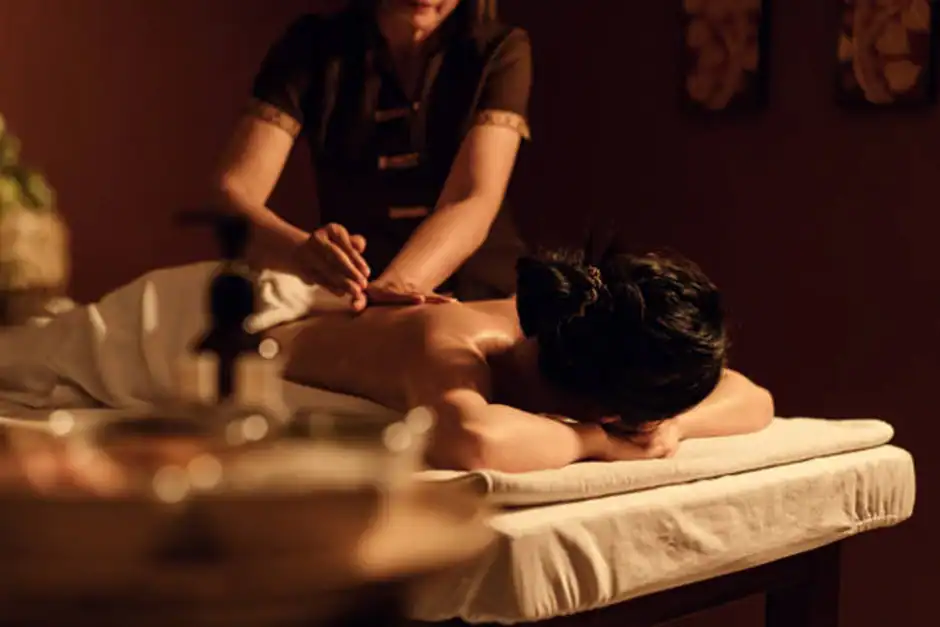
People living in today’s world often have reduced mobility, sit for long periods, and have poor circulation. At Siya Healing Spa, traditional methods are adapted to address these problems through precise bodywork that helps the lymphatic and vascular systems function more effectively. Thai yoga massage is one of the best methods. It is a structured practice that uses rhythmic compression and assisted stretches to affect the body’s fluid flow.
Understanding Circulation and Lymphatic Function
There are two main fluid systems in the human body. The lymphatic system removes metabolic waste and toxins, while blood circulation delivers oxygen and nutrients to the body. The lymphatic network doesn’t have a central pump as the cardiovascular system does. It depends on how muscles move, pressure differences, and outside stimulation.
This is where traditional Thai massage techniques start to make sense in a clinical setting. Therapists can help both venous return and lymphatic drainage by applying controlled pressure along energy pathways and muscle lines. This improves internal balance without surgery.
The Role of Assisted Stretching
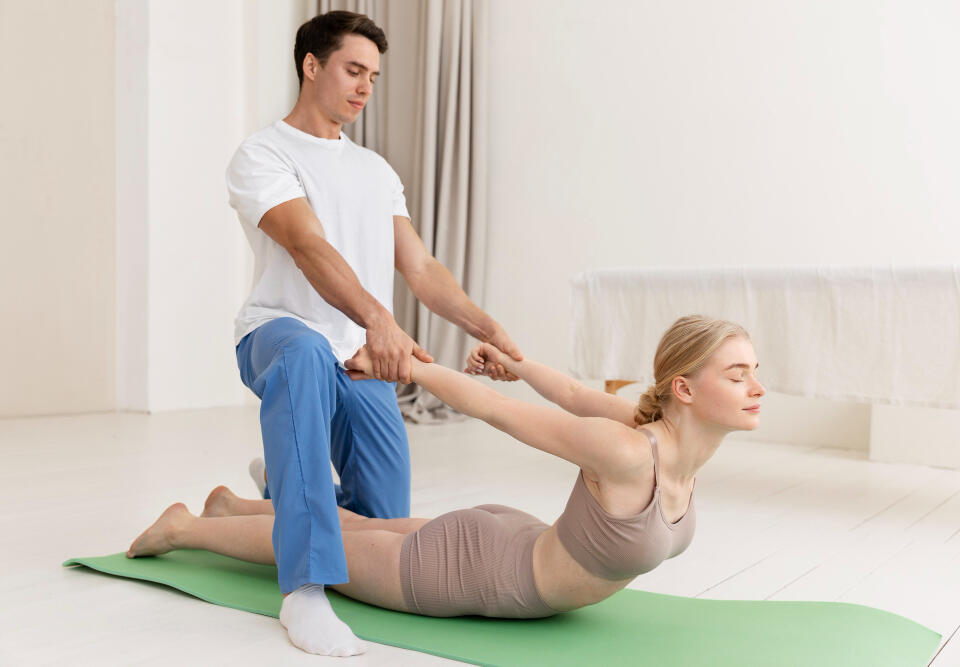
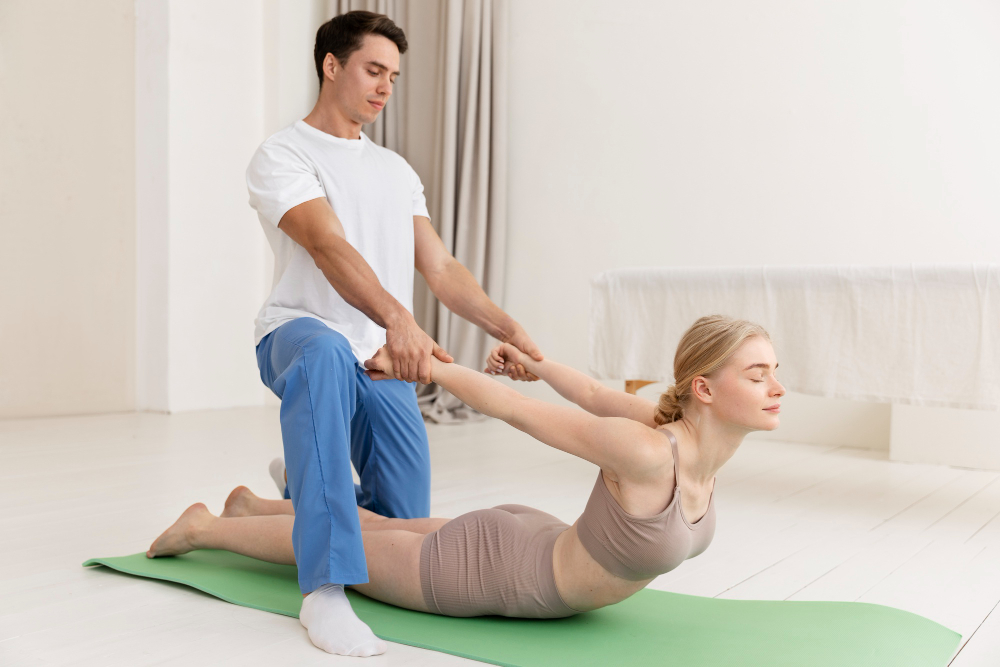
Guided stretching is an important part of Thai therapy. These movements aren’t just for show; they’re meant to stretch tissues, open joints, and make room for fluid movement.
The integration of Thai massage and yoga allows the therapist to move the body into positions that promote vasodilation and vasoconstriction. This pattern of changing work, like a natural pump, improves blood flow and helps lymphatic flow by compressing and releasing the lymphatic system.
Pressure Techniques and Energy Lines
Sen lines are thought to be pathways that affect how the body works, and Thai therapy is based on them. Different people have different ideas about what these lines mean, but putting pressure on them has measurable effects on the body.
People who do this use their palms, thumbs, elbows, and even their feet to apply steady pressure. This method, often used in Thai yoga, stimulates specific areas of the body, improving microcirculation there. When tissues are compressed and released, trapped fluids are displaced, helping the body eliminate toxins.
Key Techniques That Influence Flow
- Rhythmic compression applied along muscle groups to encourage venous return
- Assisted joint mobilization to reduce stiffness and improve fluid dynamics
- Sequential stretching patterns that create a pumping effect within the body
- Targeted pressure along anatomical pathways to stimulate lymph movement
Lymphatic Activation Through Movement
One thing that people don’t often think about when they think about Thai therapy is how it affects lymphatic activation. Thai techniques work well because lymph flow depends a lot on how the body moves.
During a Thai yoga massage, the therapist moves the body in controlled ways that feel like natural muscle contractions. These movements help move lymph fluid through vessels and nodes, preventing it from getting stuck and helping the immune system function better.
Breath Coordination and Internal Flow
Breathing is very important for circulation. Deep, controlled breathing helps oxygen exchange and alters pressure in the thoracic cavity, which directly affects lymphatic flow.
In classes that combine Thai massage and yoga, breathing and movement occur simultaneously. This coordination strengthens the mechanical effects of stretching and compression, improving the internal flow system. The body now distributes and processes fluids much better.
Targeting Common Areas of Stagnation
Some parts of the body are more prone to poor circulation and lymphatic buildup. Thai therapy works on these areas very carefully.
- Lower limbs, where gravity often slows venous return
- Hip and pelvic regions, which can restrict lymphatic drainage
- Upper back and shoulders, where tension limits blood flow
- Abdominal area, supporting digestive and lymphatic activity
These areas are systematically treated with traditional Thai massage techniques, which help reduce blockages and improve the flow of fluids.
Neuromuscular Impact on Circulation
Thai therapy works on more than just a mechanical level. It also influences the nervous system. The body’s neuromuscular response improves when specific pressure points and muscle groups are stimulated.
Adding Thai yoga moves to the routine helps you connect more deeply with muscle fibres and connective tissues. This interaction helps regulate the tone of blood vessels, allowing them to expand and contract more easily. Better coordination between the nerves and muscles leads to better circulation.
Why This Approach Stands Out
Thai therapy differs from isolated techniques in that it uses multiple methods in a single session. It includes stretching, compression, and movement all in one long sequence. This whole structure ensures that both blood and lymphatic flow are addressed simultaneously.
At Siya Healing Spa, the staff focuses on technique and accuracy instead of following set routines. Each session is designed to work with the body’s natural systems, which improves fluid dynamics in measurable ways.
Conclusion
Thai therapy is a structured, movement-based way to improve circulation and lymphatic function. It makes the body a good place for fluids to move by combining assisted stretching, targeted pressure, and breath coordination.
Thai yoga massage, which combines Thai massage with yoga, provides both mechanical and neuromuscular stimulation. Traditional Thai massage techniques and the principles of Thai yoga together form a complete approach to improving the flow of internal systems.
Siya Healing Spa offers expert advice, based on real-life experience, for people who want a systematic, results-oriented way to improve their circulation and lymphatic activity.