
Before & After Care Tips for Best Results
May 14, 2026
The Philosophy Behind Thai Yoga Massage: Energy Lines & Balance
May 20, 2026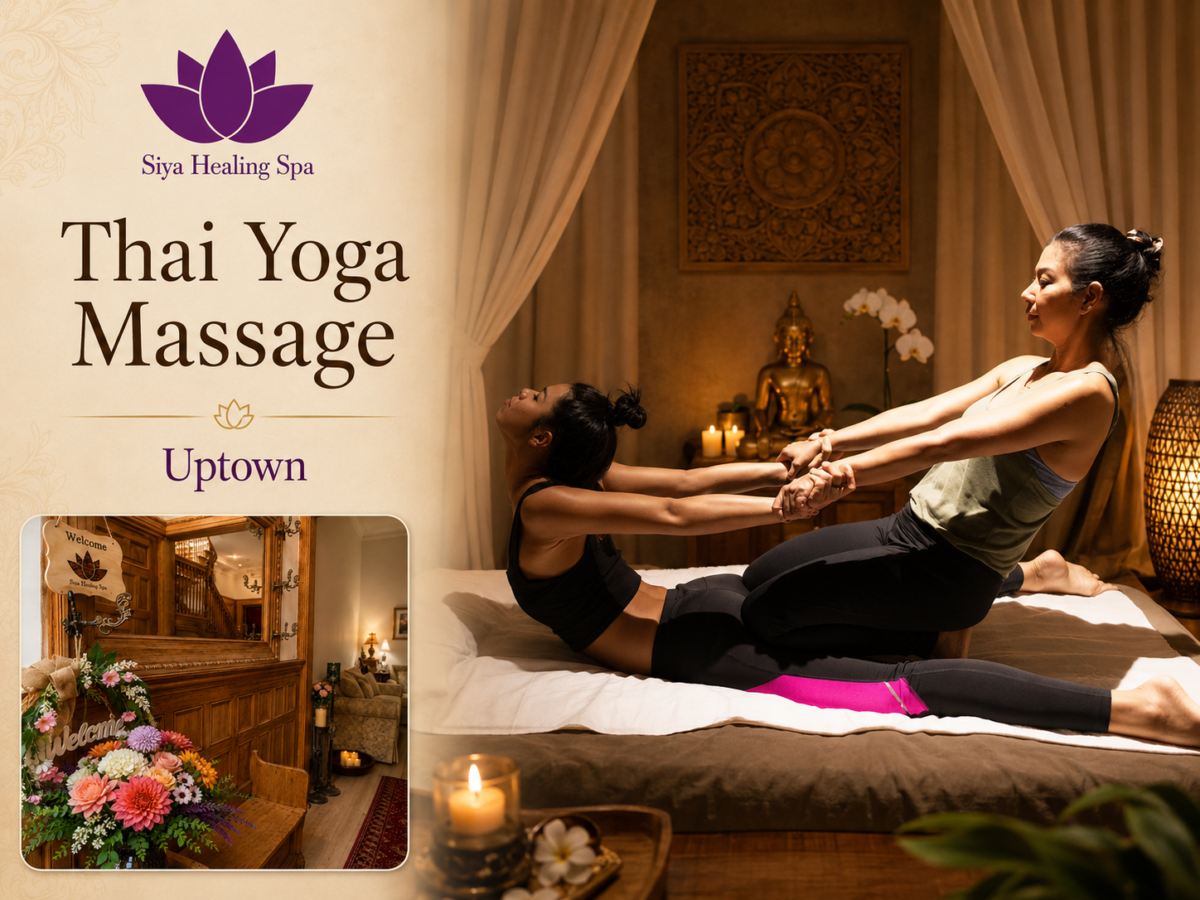
A Traditional Way to Restore Balance, Mobility, and Calm
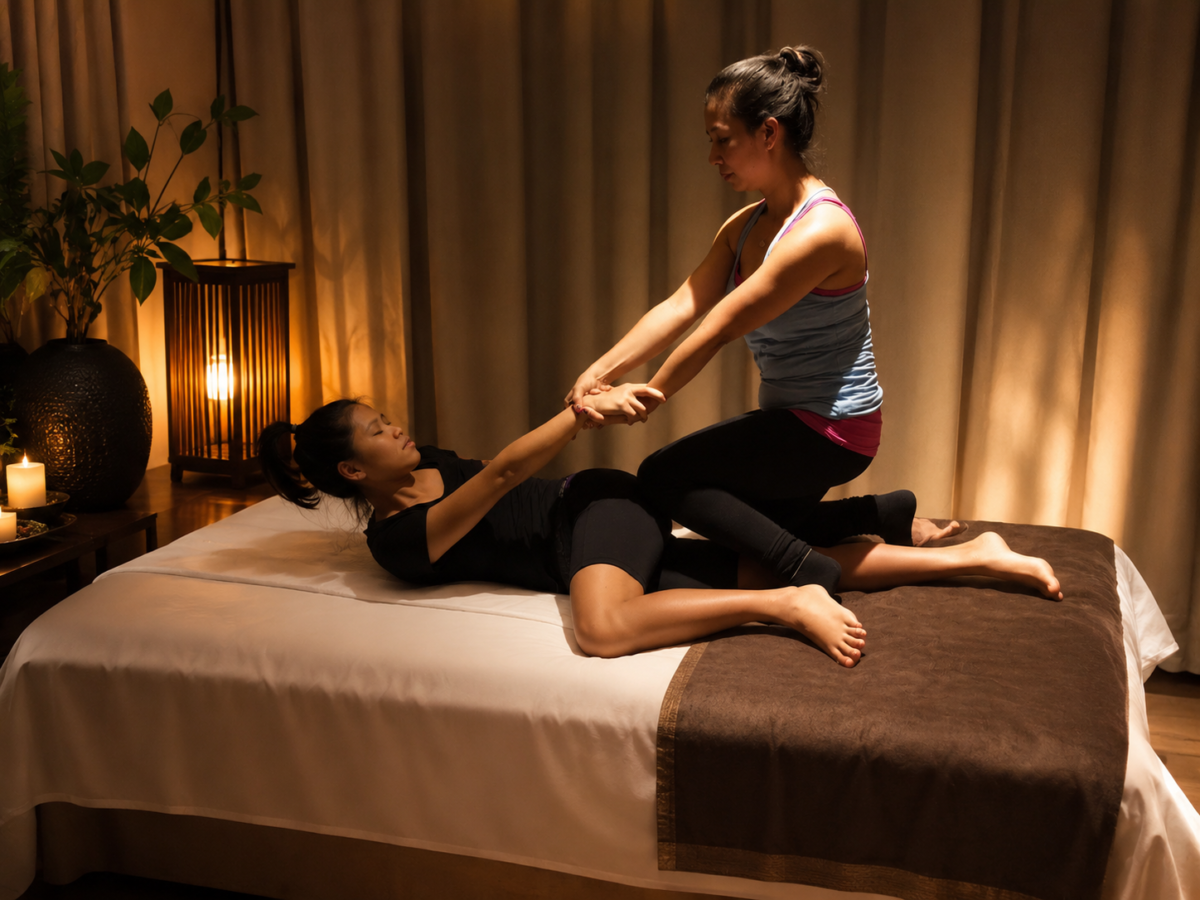
Thai yoga massage for energy flow is a traditional Thai bodywork approach that combines assisted stretching, rhythmic pressure, mindful movement, and deep relaxation. Unlike a standard oil massage, Thai yoga massage is often performed fully clothed and focuses on the whole body rather than one isolated area.
At Siya Healing Spa, this style of bodywork is designed for people who feel physically tight, mentally tired, or disconnected from their natural sense of balance. The goal is not only to relax the body, but also to help the body move more freely, breathe more deeply, and feel lighter after a long day.
What Is Thai Yoga Massage?
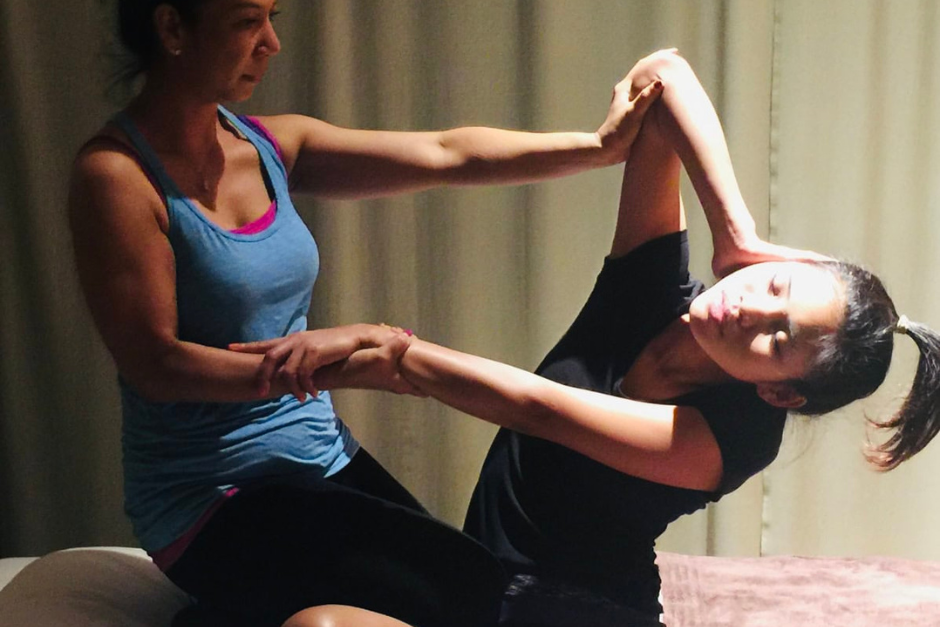
Thai yoga massage is sometimes described as a blend of traditional Thai massage, assisted stretching, and passive yoga-like movement. The client does not need to perform yoga poses alone. Instead, the therapist gently guides the body through supported stretches while applying pressure along key areas of tension.
This makes Thai yoga massage especially helpful for people who sit for long hours, feel stiff from daily routines, carry tension in the shoulders and back, or want a more active form of bodywork than a regular relaxation massage.
Thai yoga massage for energy flow focuses on movement, pressure, and breath awareness. These elements work together to create a grounded and restorative wellness experience.
How Thai Yoga Massage Supports Energy Flow
In traditional Thai wellness, the body is often understood through the idea of energy lines or natural pathways of movement. In modern wellness language, this can be understood as the relationship between circulation, flexibility, muscle tension, breathing, and the nervous system.
When the body feels tight, tired, or compressed, many people describe the sensation as feeling blocked, heavy, or low in energy. Thai yoga massage uses assisted stretching and rhythmic pressure to help the body feel more open, mobile, and relaxed.
This is why many clients choose Thai yoga massage for energy flow when they want a deeper reset than a light massage can offer.
Key Benefits of Thai Yoga Massage
Thai yoga massage may help the body feel more flexible by gently stretching areas that often become tight from sitting, standing, commuting, or working long hours.
It may help reduce everyday muscle tension by combining pressure with supported movement.
It may support relaxation by slowing the body down and helping the mind shift away from stress.
It may improve body awareness because the client can feel where tension is held and where movement feels restricted.
It may help create a sense of balance by working with the body as a connected system rather than treating only one painful spot.
Who Is Thai Yoga Massage Best For?
Thai yoga massage is a strong option for people who feel stiff, tense, overworked, or physically restricted. It is especially suitable for clients who want stretching and pressure together.
It may be a good fit if you often feel tight in your neck, shoulders, back, hips, or legs. It may also be helpful if you feel tired from long workdays, frequent travel, or repetitive posture.
Clients who prefer a more active and therapeutic massage experience often enjoy Thai yoga massage because it feels structured, purposeful, and deeply restorative.
Thai Yoga Massage vs. Regular Relaxation Massage
A regular relaxation massage often focuses on smooth strokes, calming touch, and overall relaxation. Thai yoga massage is different because it includes more movement, assisted stretching, compression, and body positioning.
Instead of simply lying still throughout the session, the client is gently guided through supported movements. The therapist may stretch the arms, legs, hips, back, shoulders, or spine depending on the client’s comfort level and body condition.
For this reason, Thai yoga massage for energy flow is ideal for people who want to feel both relaxed and physically renewed.
What to Expect During the Session
During a Thai yoga massage session, the therapist may begin by observing areas of tension and asking about comfort level. The session may include assisted stretches, palm pressure, gentle compression, and slow rhythmic movement.
The therapist should work within the client’s natural range of motion. A good Thai yoga massage should never feel forced, unsafe, or overly painful. The stretch should feel supportive, not aggressive.
At Siya Healing Spa, the focus is on professional care, clear communication, and bodywork that respects the client’s comfort.
Is Thai Yoga Massage the Same as Medical Treatment?
No. Thai yoga massage is a wellness service, not a medical treatment. It is not intended to diagnose, cure, or replace care from a licensed medical provider.
However, many clients choose massage and bodywork as part of a wellness routine for relaxation, mobility support, and everyday tension relief. If you have an injury, chronic pain condition, recent surgery, pregnancy, or a medical concern, it is best to consult a healthcare professional before booking a deep or stretching-based massage.
Why Choose Siya Healing Spa?
Siya Healing Spa brings together authentic Thai massage traditions with a calm, professional spa environment. Our approach is rooted in Thai bodywork, assisted stretching, therapeutic pressure, and personalized care.
Thai yoga massage for energy flow is especially meaningful for clients who want more than a simple relaxation session. It is for people who want to feel stretched, opened, grounded, and restored.
Whether your body feels stiff from work, tired from travel, or tense from everyday stress, this session can help you reconnect with a calmer and more balanced version of yourself.
Book Thai Yoga Massage for Energy Flow
If your body feels tight, tired, or out of balance, Thai yoga massage for energy flow may be the right service for you.
Book your Thai yoga massage session at Siya Healing Spa and experience a traditional bodywork approach designed to support mobility, relaxation, and whole-body balance.